
It’s important to work with a dietitian to develop a meal plan that meets your individual needs and to follow your healthcare provider’s recommendations for managing your kidney disease. By limiting the intake of high-potassium foods, kidney patients can help prevent dangerous levels of potassium from building up in their bodies. Grocery shopping strategies include prepping lists ahead of time and focusing on fresh produce and low potassium options such as lean proteins, grains, fruits and vegetables. Snack ideas (renal diet snacks) may include nuts or seeds paired with crunchy veggies or dairy-free yogurt topped with fresh berries.
Meal plan overview
A squeeze of lime at the end brightens up the dish and ties all the bold, fresh flavors together. This skillet is a hearty, one-pan meal that’s perfect for busy weeknights. Tender chunks of sweet potato and shredded chicken combine with store-bought enchilada sauce for a flavorful shortcut.
Crisp-tender green beans and red potatoes round out the meal, soaking up the flavorful juices as they roast. While at first it may seem challenging to find suitable options for a low potassium diet, there is a wide array of delicious and nutritious breakfast foods that are low in potassium. Remember, balance is key, and with some creativity, breakfast can remain a delightful part of your day. If you eat a large portion of a low potassium food, the amount of potassium may no longer be low.
Treatment Options For High Potassium Levels
A low potassium diet is often considered to be 3000 mg or less daily. (1) Generally, foods that have 200 mg or less per serving are considered to be low in potassium. Your doctor might prescribe a potassium binder that keeps you from absorbing as much potassium with meals. We have talked about how having too much potassium in your diet can lead to symptoms like muscle weakness, nausea, vomiting, palpitations, and shortness of breath. These values are approximate and can vary slightly based on specific portion sizes and preparation methods.
Certain Medications
Any extra gets flushed into your pee so you can get rid of it https://en.wikipedia.org/wiki/Dieting when you pee. When you have high levels of potassium in your blood, your kidneys can’t do this as well. You can help your kidneys by cutting back on how much potassium you take in through the food you eat. A low potassium diet is essential for some people with kidney disease. However, following this diet doesn’t mean you have to give up eating out at your favorite restaurants. With a little planning, you can still enjoy a meal away from home.
Foods high in potassium
Fresh and creamy, this smoothie has a perfect balance of sweet and tart. Serve it in a chilled glass with a straw for a delightful morning or afternoon treat. Here the oatmeal turns out creamy with chunks of soft apple for texture. Honey adds a natural sweetness that pairs well with the warmth of cinnamon. Serve it topped with a sprinkle of extra cinnamon or a few apple slices for an extra touch. Ditch the dairy and try these low-phosphorus, fruity frozen treats.
Delicious Low Potassium Recipes for Healthy Living
If beans make you gassy, consider switching up the type you eat to find a variety that’s easier on your stomach. You can also soak dry beans overnight, which may help reduce gassiness. This section will provide detailed recipes for some of the menu items, emphasizing simplicity and ease of preparation. Once you’ve created your toolkit, click “Create toolkit” to save it.
When Should You Limit Potassium?
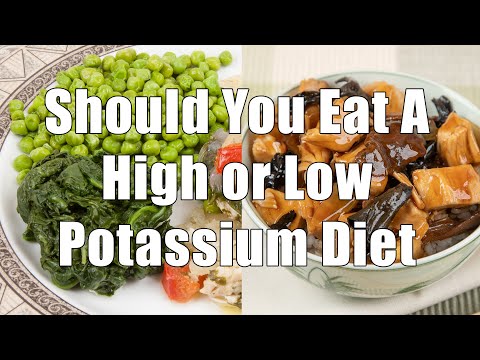
Understanding potassium’s role in our diet is fundamental. Hyperkalemia, or high potassium levels, can sneak up on even unimeal reviews consumer reports the healthiest individuals. Often, people don’t experience symptoms until significant damage has occurred.
Keep Potassium Levels Low
Green beans, kale, lettuce, and mushrooms can be easily incorporated into salads, stir-fries, and other dishes, making them convenient options for maintaining dietary restrictions. You may be at risk of elevated potassium levels if your kidneys aren’t functioning properly. Medical conditions like diabetes, dietary habits, and using certain medications can also play a role in the development of high potassium levels in people with kidney disease. In addition to reducing the amount of potassium-rich foods consumed each day, it’s important to pay attention to serving size when adjusting your diet.
Health News

Each day features meals that are lower in sodium, potassium, and phosphorus, while providing balanced calories, healthy protein, and whole-food ingredients. This plan is designed for those not on dialysis (stages 1–4 CKD). A potassium-sparing diuretic should also be considered when hypokalemia involves iatrogenic renal potassium wasting, as potassium replacement therapy alone may not suffice. Serum potassium levels should be checked every 2 to 4 hours. Potassium replacement can occur more slowly once the serum potassium level is persistently above 3 mmol/L or clinical symptoms have resolved. Regardless of severity, careful serum potassium level monitoring is required, as hyperkalemia commonly develops in hospitalized patients.

Herb-Roasted Chicken
- Eating too much protein increases the amount of waste your kidneys need to filter, which can cause them to work harder than they should.
- Only start a low-potassium diet if recommended by your doctor.
- I’m Mathea and I have been a registered dietitian nutritionist (RDN) for more than 24 years.
- This grain bowl is a hearty dish that’s packed with plant-based protein, fiber and tons of fresh flavor.
- Potassium is an essential mineral, but too much can strain your kidneys or cause health issues.
- On a low-potassium diet, you’ll try to eat no more than 2,000 to 3,000 milligrams of potassium each day.
For example, renal ultrasound may be performed to assess for kidney abnormalities, such as renal cysts, tumors, or obstructive uropathy. Computed tomography and magnetic resonance imaging can help look for adrenal gland or central nervous system lesions, giving rise to aberrant hormonal causes of hypokalemia. A chest x-ray may reveal lung pathology contributing to alkalosis and potassium shifts, such as chronic obstructive pulmonary disease. Osteoporosis or osteomalacia may be assessed by a bone density scan in patients presenting with bone weakness and nephrolithiasis. Potassium is a predominantly intracellular electrolyte, the most abundant cation in cell regulation and cellular processes.
Foods to Avoid on a Low Potassium Diet
Cellular potassium uptake is promoted by alkalemia, insulin, β-adrenergic stimulation, aldosterone, and xanthines, such as caffeine. Hypokalemia is a common electrolyte disturbance not given as much attention as hyperkalemia. Hypokalemia has associations with cardiac disease, renal failure, malnutrition, and shock.
Check out our fatty liver diet plan and our cortisol diet plan as well. After evaluating for renal potassium wasting, acid-base status may be assessed by obtaining arterial blood gases. The etiology of hypokalemia is evident from the patient’s history. However, diagnostic testing allows for assessing the condition’s severity and guides corrective measures, especially if other abnormalities are present. Diagnostic modalities include blood and urine tests, electrocardiography (ECG), and imaging studies. A myriad of tests may be obtained to determine hypokalemia’s etiology, but clinical findings should guide the diagnostic workup.