
This systematic review synthesizes evidence from 32 longitudinal studies to evaluate the impact of plant-based diets on disease prevention and health outcomes. The review identifies consistent patterns, including improved metabolic health, weight management, cardiovascular risk reduction, and positive effects on gut microbiome composition and inflammation. However, inconsistencies arise due to variability in diet definitions, mixed findings on specific outcomes, and heterogeneity in study populations.
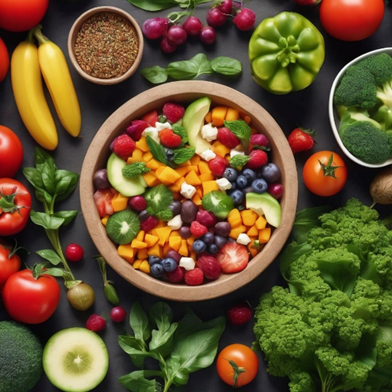
Focus on Whole Foods
Meanwhile, when you eat more plant-based foods, you’re ingesting phytochemicals and fibers that aren’t found in animal products. Carotenoids, glucosinolates and flavonoids may enhance immunity, protect against disease and reduce cancer activity. Given the flexibility of a plant-based diet, there’s not one food you cannot eat while following along.
Essential Traits for Spotting the Right Talent for Your Team
- Fermented plant foods like kimchi, sauerkraut, and tempeh provide live probiotics.
- Additionally, many plant-based milk alternatives are now available in nut-free and gluten-free varieties.
- Iron from lentils and leafy greens is better absorbed with vitamin C-rich foods like citrus fruits.
- This article will answer all your questions about what a plant-based diet is, the benefits of eating more plants, and how to incorporate more plant-based foods into your daily meals.
- Humans are designed to obtain most vitamin D from sunlight, and many individuals who spend most or all of their time indoors may fall short of requirements.
- If you have irritable bowel syndrome (IBS) or small intestinal bacterial overgrowth (SIBO), you might be following a low-FODMAP diet.
One study examining theoretically derived diet plans found that a WFPB diet may contain 70% more magnesium compared to diet plans based on USDA MyPlate. If you’re used to eating meat or dairy, switching to a plant-based diet may seem challenging. Meat is usually the main component of a meal, with vegetables and grains as side dishes. Regardless, simply cutting out processed foods that aren’t allowed on a WFPB diet, such as soda, candy, fast foods, and refined grains, is a powerful weight loss tool. This also means avoiding heavily processed foods that contain added sugars or artificial sweeteners. Also to be avoided are highly refined grains such as white bread that have been stripped of most nutritional value.
Ultra-processed foods linked to plaque buildup in neck arteries
Vieux et al. (2020) [99] applied this method using data from dietary surveys of five European countries (France, Finland, Italy, Sweden, and United Kingdom). The authors found that one individual out of five already followed a plant-based sustainable diet. However, the optimized diet compared to the observed average European diet included a much higher amount of plant-based products, with a substantial difference of fruit and vegetable consumption and a lower content of sweets and alcoholic drinks. On the other hand, the total quantity of animal-derived products was the same for both diets, but the type of animal products was distributed slightly differently. Additionally, to achieve environmentally sustainable, healthy and affordable diets, it is important that energy intake does not exceed the individual total energy requirements [91]. A plant-based diet focuses on consuming mostly or exclusively plant-derived foods, such as fruits, vegetables, whole grains, legumes, nuts, and seeds.
In this post, we’re breaking down everything you need to know—from the personal health perks to its global environmental impact. Whether you’re dipping your toes into Meatless Mondays or going full veggie, this guide will help you make smart, sustainable choices. The study selection process followed a structured approach to ensure objectivity and minimize bias, and it was done in three steps. During initial screening, titles and abstracts of all identified studies were screened for relevance based on the inclusion and exclusion criteria. Then, the full-text review focused on studies that passed the initial screening and were subjected to a full-text review to assess their eligibility.
Can I Still Eat Out?
Since plant-based meals are naturally less processed and lower in unhealthy fats, they promote steady weight loss or maintenance, helping you achieve a balanced and sustainable healthy lifestyle. Research indicates that plant-based diets promote improved digestion and higher energy levels while reducing the risk of obesity, diabetes, and heart disease. The systematic review highlights consistent patterns supporting the role of plant-based diets in improving metabolic health, weight management, and cardiovascular risk. However, inconsistencies in diet definitions, study designs, and population characteristics underscore the need for standardized methodologies and tailored interventions. Critical gaps, such as the lack of long-term studies, mechanistic insights, and diverse population representation, provide opportunities for future research. Addressing these gaps will enhance our understanding of plant-based diets and their potential to transform preventive medicine.
Plant-Based Diets Recognized by Diabetes Associations
Aleksandrowicz et al. (2016) [10] reviewed the environmental impact of different PBDs characterized by different quantities of animal products, such as pescatarian diets, the Mediterranean diet, healthy dietary guidelines, vegetarian and vegan diets. The authors found that GHGEs, land and water use were reduced by 22%, 28% and 18%, respectively, across all PBD types. Vegan scenarios had the greatest median reductions for GHGEs (−51%) and land use (−45%) while the lowest performances were noticed for dietary scenarios with balanced energy intake or partial meat replacement with dairy products. Regarding nutrient adequacy, subjects following a vegetarian or vegan dietary patterns are at risk of vitamin B12, D, calcium, iron, niacin (B3), iodine, selenium and zinc deficiencies [55,56,57,58,59].
Nutritional Adequacy
Because of this, individuals following a vegan or plant-only diet should take a vitamin B12 supplement or consume cereals or other plant-based foods fortified with vitamin B12. Some popular snack food brands may offer potato chips that don’t include animal products. A well-balanced nutrient-dense plant-based diet offers a host of health benefits that can improve health markers and quality of life. When embarking on a plant-based diet, start by working with what you’re already eating.
Food Waste Part 3: Shopping
The available evidence does not show a relevant clinical impact on growth when the diet is well planned and supplemented. However, in contexts with less access to fortified foods or less professional monitoring, this risk could increase. Instead, they recommend that parents take an informed approach, paying close attention to key nutrients and, where possible, seeking support from dietitians and paediatric health professionals. Much nutrition research has examined plant-based eating patterns such as the Mediterranean diet and a vegetarian diet.
Grains, fruits, vegetables, beans, nuts, seeds, and plant oils may be included. A plant-based diet (PBD) promotes eating food from plants such as fruits, vegetables, whole grains, legumes (such as beans, peas, and lentils), and nuts while also limiting animal products, especially red meat which is high in unhealthy fats. Many include quality animal foods, but aim to do so “in moderation” — it’s something taken in consideration when comparing plant-based diets vs. Paleo as well as Paleo vs. vegan diets. In other words, foods like meat, fish, eggs or dairy aren’t necessarily off-limits when you’re eating plant-based, they just usually take a back seat to eating lots of unprocessed plant foods. From pulses (beans, lentils, peas) to soy foods (edamame, tempeh, tofu, soy milk) to seitan (made from wheat gluten, a protein) to nuts and seeds, plant protein food groups offer important nutrients beyond protein.
Brightly colored fruits and veggies
Vitamin B12 reviews of unimeal and choline are mainly available in animal sources, but plant-based alternatives like nutritional yeast are available. People who completely cut out animal food sources must also consider iron intake and eat vitamin C–rich foods to support non-heme iron absorption. Raw fruits, vegetables, nuts, seeds, and some sprouted legumes and grains are the staples of a raw vegan diet. Instead of cooking, food preparation methods include juicing, blending, soaking, sprouting, and dehydrating.
Will I get enough vitamin D on a plant-based diet?
“Every step you take towards a plant-based, whole food diet, you see a https://medlineplus.gov/recipes/ positive impact on your health,” says Rajaram. If your goal is weight loss, remember that losing weight isn’t necessarily the same as being your healthiest self, and there are many other ways to pursue health. Exercise, sleep, and other lifestyle factors also play a major role in your overall health. This might look like loading up a brown rice or quinoa bowl with more veggies and a smaller amount of seasoned meat, or adding smaller amounts of meat to a burrito or salad in comparison with the vegetables or plant-based proteins you’re eating.